What Are Hemp-Derived Cannabinoids (and Are They Safe)?
Hemp-derived cannabinoids are naturally occurring chemical compounds extracted from Cannabis sativa plants containing less than 0.3% THC, offering therapeutic potential without the intoxicating effects associated with marijuana. If you’re considering these products, you can visit this site for a range of options, but understanding their safety profile and therapeutic applications is essential before making an informed choice.
The landscape of hemp-derived cannabinoids has expanded significantly since the 2018 Farm Bill legalized hemp cultivation in the United States. Beyond CBD, compounds like CBG, CBN, and delta-8 THC have entered the market, each with distinct properties and potential benefits. Research demonstrates that these cannabinoids interact with the body’s endocannabinoid system, a complex network of receptors that regulates functions including pain perception, mood, sleep, and immune response.
Clinical evidence supports the use of hemp-derived cannabinoids for several conditions. Studies show effectiveness in managing chronic pain, reducing anxiety symptoms, improving sleep quality, and decreasing inflammation. The World Health Organization has acknowledged CBD’s favorable safety profile, noting minimal risk of abuse or dependence. However, the regulatory environment remains complex, with quality and potency varying widely among products.
This article examines the scientific evidence behind hemp-derived cannabinoids, addressing common safety concerns, exploring therapeutic applications backed by research, and providing practical guidance for selecting high-quality products. Whether you’re a healthcare provider seeking patient education resources or an individual exploring natural wellness options, understanding both the established benefits and current limitations of these compounds will help you make evidence-based decisions.
What Hemp-Derived Cannabinoids Are
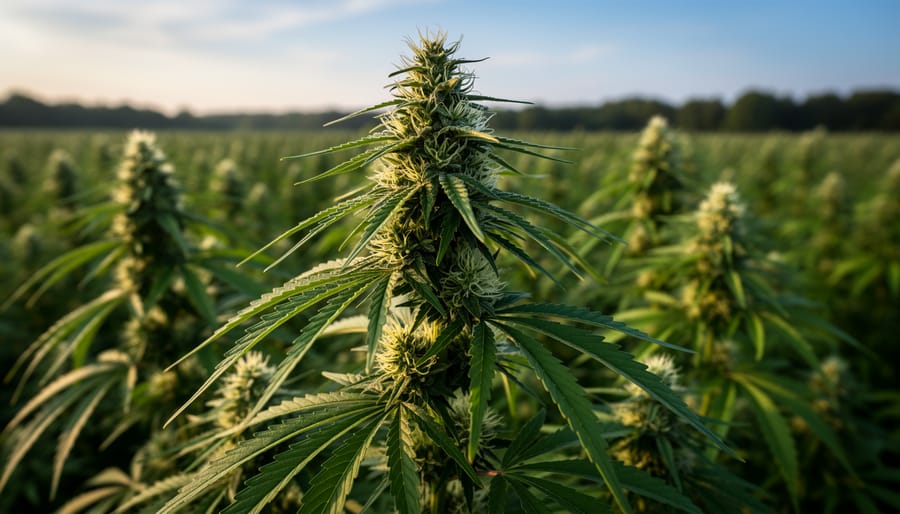
Hemp-derived cannabinoids are naturally occurring chemical compounds extracted from industrial hemp plants, a variety of Cannabis sativa L. that has been cultivated for fiber, seed, and therapeutic compounds for thousands of years. Unlike marijuana, hemp is defined by its low concentration of delta-9-tetrahydrocannabinol (THC), the primary psychoactive compound in cannabis. The 2018 Farm Bill hemp definition established a legal threshold of 0.3% THC by dry weight, creating a clear regulatory distinction between federally legal hemp and controlled marijuana products.
- Hemp
- Cannabis plants containing no more than 0.3% delta-9 THC by dry weight, federally legal for cultivation and processing in the United States since 2018.
- Cannabinoids
- Chemical compounds that interact with the body’s endocannabinoid system, produced naturally by cannabis plants or synthesized in laboratories.
- THC Threshold
- The 0.3% delta-9 THC limit that legally separates hemp from marijuana under federal law, measured during the flowering stage of plant growth.
- Farm Bill Classification
- The 2018 Agricultural Improvement Act removed hemp from the Controlled Substances Act, legalizing interstate commerce in hemp and hemp-derived products that meet THC requirements.
While hemp and marijuana are both varieties of the same plant species, they differ dramatically in chemical composition and legal status. Hemp contains high concentrations of non-intoxicating cannabinoids like cannabidiol (CBD) and cannabigerol (CBG), along with trace amounts of THC. Marijuana plants, by contrast, are bred specifically for higher THC content, typically ranging from 5% to 30% or more. This fundamental difference means hemp-derived cannabinoids can produce therapeutic effects without significant psychoactive impact, making them accessible to consumers who want the potential benefits of cannabis without intoxication.
The botanical relationship creates some confusion for consumers. Both hemp and marijuana produce the same types of cannabinoids, but in vastly different proportions. A CBD extract from hemp functions identically to CBD extracted from marijuana at the molecular level, the difference lies in legality, not chemistry. Understanding CBD vs THC ratios helps clarify why hemp products offer distinct experiences compared to traditional cannabis products while still engaging the same biological systems in the human body.
How Hemp-Derived Cannabinoids Work in the Body
Your body contains a complex regulatory network called the endocannabinoid system (ECS) that influences everything from mood and appetite to pain perception and immune response. This system was only discovered in the 1990s, yet it represents one of the most important physiological systems for maintaining human health. When you consume hemp-derived cannabinoids, they interact with this system in ways that can support balance and wellness throughout your body.
The ECS consists of three main components: cannabinoid receptors scattered throughout your body, endocannabinoids your body naturally produces, and enzymes that break down these compounds after they’ve done their job. The two primary receptors, CB1 and CB2 receptors are found in different locations and serve distinct functions. CB1 receptors concentrate primarily in your brain and central nervous system, where they regulate neurotransmitter release, memory formation, and pain signals. CB2 receptors appear mainly in your immune system and peripheral tissues, influencing inflammation and immune responses.
Understanding how cannabinoids work starts with recognizing that plant-derived compounds mimic your body’s own endocannabinoids. Different hemp cannabinoids interact with the ECS in distinct ways. CBD doesn’t directly bind to CB1 or CB2 receptors; instead, it modulates the system indirectly by preventing the breakdown of your natural endocannabinoids and influencing other receptor systems like serotonin and vanilloid receptors. This explains why CBD can affect mood and pain without producing intoxicating effects.
Other cannabinoids take more direct approaches. CBG binds weakly to both receptor types but may work primarily through other pathways. Delta-8 THC actually binds to CB1 receptors, which explains its mild psychoactive effects, though with less intensity than delta-9 THC from marijuana. CBN also interacts with CB1 receptors, contributing to its sedating properties that many users report.
This receptor activity triggers cascading effects throughout your body. When cannabinoids influence CB1 receptors in your nervous system, they can dampen pain signals and regulate mood. Activity at CB2 receptors helps modulate inflammation and immune function, which may explain why many people use hemp products for recovery and inflammatory conditions. Rather than overwhelming your system, these compounds work with your body’s existing regulatory mechanisms to promote balance, a state scientists call homeostasis.
Major Types of Hemp-Derived Cannabinoids
CBD (Cannabidiol)
CBD stands as the most abundant and well-researched cannabinoid extracted from hemp, typically comprising up to 20% of the plant’s total cannabinoid content. Unlike its cousin THC, CBD produces no intoxicating effects and won’t impair cognitive function or create a “high,” making it attractive to users seeking therapeutic benefits without psychoactive experiences.
The strongest clinical evidence supports CBD’s use in treating specific seizure disorders. In 2018, the FDA approved Epidiolex, a pharmaceutical-grade CBD formulation, for treating Dravet syndrome and Lennox-Gastaut syndrome after trials demonstrated substantial reductions in seizure frequency. Beyond this established medical application, preliminary research suggests potential benefits for anxiety disorders, with several small studies indicating reduced symptoms in social anxiety and generalized anxiety conditions, though larger trials are still needed.
Research into CBD’s anti-inflammatory properties shows promise for conditions like arthritis and inflammatory bowel disease, though most evidence remains preclinical. Many users also report CBD’s effectiveness for sleep support though mechanisms aren’t fully understood and may relate more to anxiety reduction than direct sedative effects.
CBG (Cannabigerol)
CBG exists in relatively low concentrations in mature hemp plants, typically less than 1%, yet it’s called the “mother cannabinoid” because other cannabinoids like CBD and THC are synthesized from its acidic precursor, CBGA. As the plant matures, enzymes convert most CBGA into these more abundant compounds, which explains CBG’s scarcity.
Early preclinical research suggests CBG may offer neuroprotective benefits in conditions like Huntington’s disease and inflammatory bowel disease, though human studies remain limited. Laboratory and animal studies indicate it binds weakly to both CB1 and CB2 receptors while also interacting with other receptor systems that influence inflammation, pain perception, and cell growth.
Current evidence for therapeutic effects comes primarily from in vitro and rodent models rather than human trials. Some users report increased focus and energy compared to CBD’s calming effects, but these anecdotal accounts haven’t been validated through controlled research. The compound is non-intoxicating and generally well-tolerated in the limited human data available as of 2026.
CBN (Cannabinol)
CBN forms when THC degrades through exposure to heat, light, or oxygen, it’s not directly produced by the cannabis plant in significant amounts. Unlike CBD, CBN has mild psychoactive properties, though far weaker than THC itself. Most users report subtle sedative effects rather than the pronounced “high” associated with delta-9 THC.
The cannabinoid has gained popularity in sleep formulations, with manufacturers marketing it as a natural alternative to pharmaceutical sleep aids. However, the evidence base remains limited. A 2023 study found CBN moderately increased sleep duration in rats, but human clinical trials are scarce. The sedative reputation may stem from aged cannabis products containing both CBN and degraded terpenes that work together.
CBN also shows promise for pain relief and appetite stimulation in preliminary research. Products typically contain 2-10mg per serving, often combined with CBD or melatonin. While generally well-tolerated, CBN can cause drowsiness and may show up on some drug tests due to its structural similarity to THC.
Delta-8 THC and Other Minor Cannabinoids
Delta-8 THC occupies a controversial space in the hemp cannabinoid market. While technically hemp-derived, it’s typically synthesized from CBD through chemical processes rather than extracted directly from the plant. This manufacturing reality raises safety concerns that don’t apply to naturally abundant cannabinoids.
The compound produces milder psychoactive effects than delta-9 THC, the primary intoxicating component in marijuana, which has fueled its popularity as a “legal high.” However, the synthesis process can leave behind harmful residues if not properly purified, and the lack of manufacturing standards means product quality varies dramatically between brands.
Legal status remains murky. The 2018 Farm Bill doesn’t explicitly address synthetically derived cannabinoids, creating a regulatory gray area that some states have closed by banning delta-8 outright while others permit it. The FDA has issued warnings about delta-8 products, citing adverse event reports and concerns about contamination.
Other minor cannabinoids like CBC (cannabichromene) and THCV (tetrahydrocannabivarin) show therapeutic promise in preliminary research but remain largely unstudied in humans. Until manufacturing standards improve and research catches up, approach these emerging compounds with appropriate caution, particularly those requiring chemical conversion rather than simple extraction.
Full-Spectrum vs. Isolate Products
Hemp-derived products fall into two main categories based on their cannabinoid composition. Full-spectrum extracts contain the complete range of cannabinoids, terpenes, and other plant compounds naturally present in hemp, including trace amounts of THC (under 0.3%). These products preserve the plant’s chemical complexity and may produce what researchers call the “entourage effect”, a theory suggesting that cannabinoids work more effectively together than in isolation.
Isolate products contain a single purified cannabinoid, typically CBD, with all other plant compounds removed. They’re tasteless, odorless, and contain zero THC, making them preferable for people who undergo drug testing or want precise dosing of one specific compound.
The choice between them depends on your priorities. Full-spectrum products may offer broader therapeutic benefits due to compound synergy, but they taste earthier and carry a minimal THC risk. Isolates provide predictable effects from a single compound without flavor or THC concerns, though you miss potential synergistic benefits.
Safety Profile and Potential Risks
Hemp-derived cannabinoids have demonstrated a generally favorable safety profile in clinical research, particularly CBD, which has been studied most extensively. The World Health Organization concluded in 2018 that CBD exhibits no effects indicative of abuse or dependence potential and is well-tolerated in humans. However, like any bioactive compound, these substances can produce adverse effects and require careful consideration in specific populations.
CBD’s most frequently reported adverse effects include fatigue, diarrhea, and changes in appetite or weight. Clinical trials of high-dose CBD (up to 1,500 mg daily) documented these reactions in a minority of participants, with effects typically mild to moderate in severity. Some users experience dry mouth, lightheadedness, or drowsiness, particularly when initiating treatment or adjusting dosages. These reactions overlap with several common side effects associated with cannabis products more broadly.
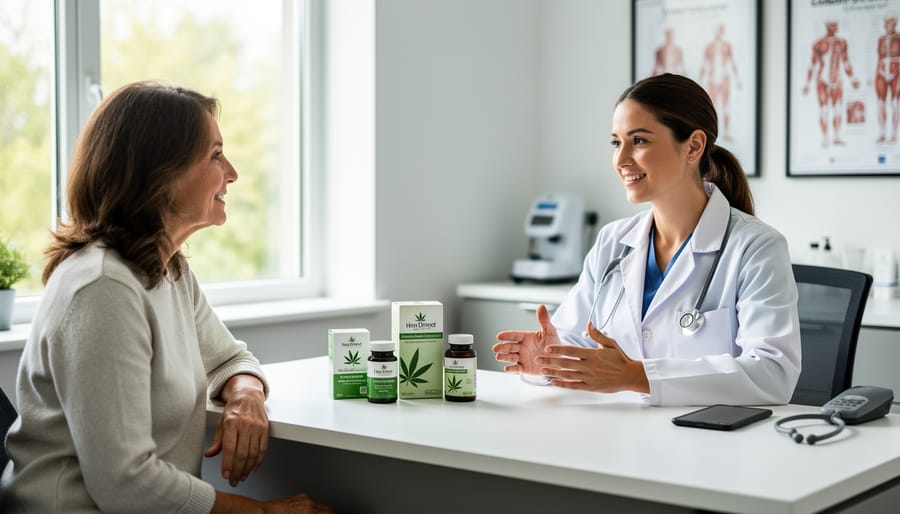
Drug interactions present a more significant concern. CBD inhibits certain cytochrome P450 enzymes responsible for metabolizing many medications, particularly CYP3A4 and CYP2C19. This can alter blood levels of prescription drugs including blood thinners like warfarin, certain antidepressants, and anti-seizure medications. The interaction with clobazam is well-documented: CBD increases clobazam levels significantly, requiring dose adjustments. Anyone taking prescription medications should consult their healthcare provider before using hemp cannabinoids.
Liver enzyme elevations have been observed in controlled trials using high-dose CBD, though these typically occur at pharmaceutical doses considerably higher than those found in consumer wellness products. Monitoring liver function may be appropriate for patients using substantial daily amounts, particularly those with pre-existing liver conditions or taking hepatotoxic medications.
Vulnerable populations require special consideration. Pregnant and breastfeeding individuals should avoid hemp cannabinoids due to insufficient safety data and potential developmental risks. The American Academy of Pediatrics advises against cannabis exposure during pregnancy and lactation. People with liver disease, those taking multiple medications, and individuals with histories of substance use disorders should approach these products cautiously and under medical supervision.
Synthetically derived cannabinoids like delta-8 THC pose distinct concerns. Manufacturing processes often involve chemical conversion using potentially harmful solvents and reagents. Without rigorous testing, these products may contain residual chemicals, heavy metals, or unintended cannabinoid isomers. The CDC has documented cases of adverse events linked to delta-8 products, including vomiting, hallucinations, and loss of consciousness.
Quality varies dramatically across the unregulated market. Studies analyzing commercial CBD products found that roughly 70% were mislabeled regarding cannabinoid content, with some containing negligible CBD or unexpected THC levels sufficient to cause intoxication or trigger positive drug tests.
Therapeutic Benefits and Medical Applications
FDA-Approved and Off-Label Uses
As of 2026, Epidiolex remains the only FDA-approved medication derived from cannabis plants, a pharmaceutical-grade CBD formulation prescribed for two severe forms of childhood epilepsy: Lennox-Gastaut syndrome and Dravet syndrome. Clinical trials demonstrated that Epidiolex significantly reduced seizure frequency in patients who hadn’t responded to conventional treatments, validating CBD’s anticonvulsant properties through rigorous regulatory review. This approval marked a turning point, establishing that at least one hemp-derived cannabinoid could meet medical efficacy and safety standards.
Beyond epilepsy, physicians increasingly prescribe CBD off-label based on emerging evidence and clinical experience. Anxiety disorders represent the most common off-label application, multiple studies show CBD may reduce symptoms in social anxiety, generalized anxiety, and PTSD, though optimal dosing remains under investigation. Chronic pain management is another frequent use, particularly for inflammatory conditions like arthritis, where CBD’s anti-inflammatory effects complement traditional pain relievers without the addiction risks of opioids.
Insomnia and sleep disturbances also see off-label CBD treatment, often combined with minor cannabinoids like CBN. Some oncologists recommend CBD to cancer patients for managing chemotherapy-induced nausea, appetite loss, and treatment-related pain, though these applications lack the same depth of clinical evidence as epilepsy treatment. Healthcare providers typically start patients on low doses and adjust based on individual response, acknowledging that off-label use requires closer monitoring than FDA-approved indications.
Current Research and Emerging Applications
Researchers are actively investigating hemp-derived cannabinoids for conditions that have proven difficult to treat with conventional therapies. Neurodegenerative disease studies show promise, particularly for Parkinson’s and Alzheimer’s, where CBD and CBG demonstrate potential neuroprotective effects and may slow disease progression. Early-stage clinical trials are examining whether these compounds can reduce neuroinflammation and protect brain cells from oxidative damage.
Autoimmune condition research has expanded significantly, with studies exploring cannabinoid effects on inflammatory bowel disease, rheumatoid arthritis, and multiple sclerosis. The compounds’ ability to modulate immune responses without broad immunosuppression makes them attractive candidates for conditions involving chronic inflammation.
Mental health applications extend beyond anxiety management. Current trials are investigating CBD for PTSD, social anxiety disorder, and substance use disorders. Researchers are also examining whether cannabinoid combinations might address treatment-resistant depression, though results remain preliminary.
Most promising findings come from pre-clinical and Phase II trials. While these areas show therapeutic potential, translation to clinical practice requires larger, longer-term studies to establish efficacy, optimal dosing, and long-term safety profiles. Many current applications remain experimental rather than evidence-based treatments.
Recreational Wellness Uses
Many people incorporate hemp-derived cannabinoids into their daily routines for general wellness rather than treating specific medical conditions. CBD products have become popular pre-workout supplements and post-exercise recovery aids, with users reporting reduced muscle soreness and faster recovery times. While controlled studies are limited, anecdotal support is widespread among athletes and fitness enthusiasts.
Stress management represents another common application. People use CBD oils, gummies, or beverages to take the edge off after demanding workdays or to promote relaxation without intoxication. Unlike prescription anti-anxiety medications, these products typically don’t cause sedation or dependence at recommended doses.
CBN-containing products have carved out a niche in the sleep wellness market, with consumers choosing them as alternatives to melatonin or pharmaceutical sleep aids. Delta-8 THC attracts users seeking mild psychoactive effects for social or creative purposes, though its synthetic production raises quality concerns.
These recreational wellness applications deserve recognition alongside medical uses. They reflect legitimate consumer choices to support overall well-being, and stigmatizing them undermines honest conversations about safe, responsible use.
Quality, Regulation, and Consumer Safety

The hemp-derived cannabinoid market operates in a regulatory gray zone that places significant responsibility on consumers to verify product quality and safety themselves. While the 2018 Farm Bill federally legalized hemp and its derivatives, the FDA has not established comprehensive manufacturing standards or routine oversight for these products, meaning quality varies wildly between brands and batches. State regulations fill some gaps, but they differ dramatically: Colorado requires rigorous testing and label accuracy, while other states impose minimal requirements or none at all. This patchwork creates confusion for consumers and opportunities for unscrupulous manufacturers to sell mislabeled, contaminated, or ineffective products.
Third-party laboratory testing is your most reliable safeguard when choosing hemp cannabinoid products. Reputable manufacturers send samples to independent labs that test for cannabinoid content, heavy metals, pesticides, residual solvents, and microbial contaminants. The lab then issues a certificate of analysis (COA), essentially a product report card, that confirms what’s actually in the bottle matches the label claims. A legitimate COA includes the lab’s name and contact information, the batch number tested, and quantified results for both cannabinoid potency and contaminant screening. Red flags include products with no available COA, certificates that don’t match the batch you purchased, or results showing only cannabinoid levels without safety screenings.
When evaluating quality, look for these indicators on product labels and company websites:
- Third-party lab testing with current, batch-specific COAs easily accessible
- Transparent sourcing information about where hemp was grown
- Clear extraction method disclosure (CO2 extraction is generally cleanest)
- Organic or pesticide-free certification when possible
- Accurate cannabinoid content per serving with
Beyond documentation, trust companies that provide responsive customer service, maintain professional websites with educational resources, and don’t make exaggerated health claims that sound too good to be true. Quality manufacturers understand their products are supplements, not miracle cures, and they price accordingly, extremely cheap options often signal corners cut somewhere in production or testing. The extra diligence upfront protects you from wasting money on ineffective products or, worse, consuming something unsafe.
Frequently Asked Questions
Are hemp-derived cannabinoids legal? Under the 2018 Farm Bill, hemp products containing less than 0.3% delta-9 THC are federally legal in the United States. However, individual states can impose stricter regulations, and some have banned certain hemp-derived compounds like delta-8 THC. Before purchasing, check your state’s specific laws, as the regulatory landscape varies considerably and continues to evolve.
Will hemp-derived CBD make me fail a drug test? While pure CBD itself won’t trigger a positive drug test, full-spectrum hemp products contain trace amounts of THC (up to 0.3%) that can accumulate with regular use. High doses over time may result in a positive test for THC metabolites. If you’re subject to drug testing, consider broad-spectrum products (THC-free) or CBD isolate instead of full-spectrum options, and always purchase from brands that provide third-party lab results confirming THC content.
How much should I take?
Start with 5-10mg of CBD daily and increase gradually every few days until you notice effects. Optimal doses vary widely depending on the condition being addressed, your body weight, and individual metabolism.
What’s the difference between hemp and marijuana CBD?
Chemically, CBD is identical whether extracted from hemp or marijuana. The distinction is purely legal: hemp contains less than 0.3% THC, while marijuana contains higher THC levels.
Can I use hemp cannabinoids with my medications?
CBD and other cannabinoids can interact with medications metabolized by liver enzymes, particularly blood thinners, antidepressants, and seizure medications. Always consult your healthcare provider before combining hemp products with prescription drugs.
How do I choose a quality product? Look for brands that provide certificates of analysis (COAs) from independent laboratories, not just in-house testing. These documents should confirm cannabinoid content, verify THC levels are within legal limits, and show the product has been screened for pesticides, heavy metals, and solvents. Reputable companies make COAs easily accessible through QR codes on packaging or their websites. Avoid products making exaggerated health claims or those significantly cheaper than comparable options, as quality extraction and testing add legitimate costs.
What’s the difference between full-spectrum, broad-spectrum, and isolate? Full-spectrum products contain all naturally occurring hemp compounds, including trace THC. Broad-spectrum removes THC while preserving other cannabinoids and terpenes. Isolate is pure CBD with no other plant compounds. Many users prefer full or broad-spectrum for the potential entourage effect, though isolate offers the most predictable dosing and zero THC risk.
Hemp-derived cannabinoids represent a legitimate and growing area of therapeutic intervention, supported by an expanding body of clinical evidence. While safety profiles for well-studied compounds like CBD are generally favorable, the field remains dynamic, with ongoing research continually refining our understanding of both benefits and risks.
The evidence clearly demonstrates that quality matters profoundly. Third-party testing, transparent sourcing, and adherence to manufacturing standards aren’t regulatory footnotes, they’re fundamental to safe use. Products lacking proper documentation carry unknown risks, particularly synthetically derived cannabinoids where manufacturing processes can introduce contaminants.
For those considering hemp-derived cannabinoids, an evidence-based approach offers the best path forward. This means consulting healthcare providers who understand both your medical history and potential drug interactions, starting with conservative doses, and sourcing products from manufacturers who prioritize transparency. Your healthcare provider can help navigate the gap between promising research and established medical applications, particularly for complex conditions.
The therapeutic potential of these compounds shouldn’t be dismissed due to lingering stigma, nor should it be overstated beyond current evidence. Hemp-derived cannabinoids occupy a meaningful space in both medical treatment and wellness support, offering options for people who haven’t found relief through conventional approaches or who seek complementary therapies.
As research progresses and regulations evolve, informed consumers and open dialogue between patients and providers will remain essential. The goal isn’t simply access, it’s safe, effective use grounded in science rather than assumptions.