Cannabis Vape Juice: The Science Behind Therapeutic Benefits
Cannabis vaporization therapy represents a transformative approach to medical treatment, combining the therapeutic properties of cannabinoids with precise dosage control through modern vaping technology. As patients increasingly seek alternatives to traditional consumption methods, vape flavours and cannabis-infused e-liquids have emerged as effective delivery systems for managing chronic conditions.
Recent clinical studies demonstrate that vaporized cannabis compounds offer rapid onset of effects and enhanced bioavailability compared to conventional methods, making them particularly valuable for pain management, anxiety relief, and inflammation reduction. The controlled environment of vaporization allows for consistent dosing while minimizing respiratory risks associated with combustion-based consumption.
Medical professionals now recognize vape-based cannabis therapy as a viable treatment option, supported by growing evidence of its efficacy in treating various conditions. This therapeutic approach combines the precision of modern vaping technology with the established benefits of cannabinoid medicine, offering patients a discrete, efficient method of administration that can be carefully tailored to individual needs and treatment protocols.
Understanding Cannabis Vape Juice
Key Components and Ingredients
Cannabis vape juice consists of several key components that work together to deliver therapeutic benefits. The foundation typically includes carrier liquids like propylene glycol (PG) and vegetable glycerin (VG), which create the vapor and help distribute the active compounds evenly.
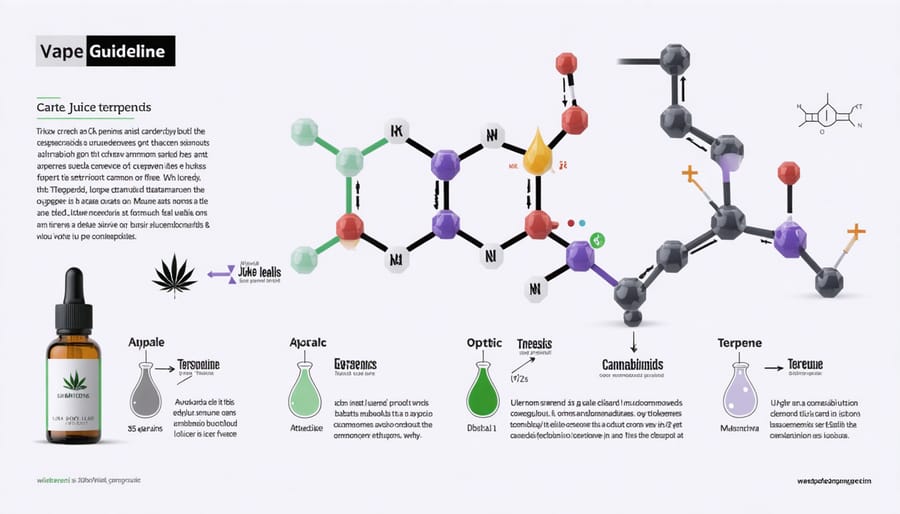
The primary therapeutic elements are cannabinoids, including THC and CBD, which are responsible for the effects of cannabinoids on the body. These compounds interact with the endocannabinoid system to provide relief from various symptoms and conditions. While THC offers pain relief and appetite stimulation, CBD provides anti-inflammatory and anxiety-reducing properties without psychoactive effects.
Terpenes, the aromatic compounds naturally present in cannabis, play a crucial role in the therapeutic experience. These organic molecules not only provide distinct flavors and aromas but also contribute to the entourage effect, enhancing the overall medicinal benefits. Common terpenes include myrcene (relaxing), limonene (mood-lifting), and pinene (focus-enhancing).
Quality vape formulations may also include natural plant extracts and botanical terpenes to enhance flavor profiles and therapeutic outcomes. The precise ratio of these components varies by product and intended therapeutic use, allowing patients to select formulations that best match their medical needs.
Quality and Safety Considerations
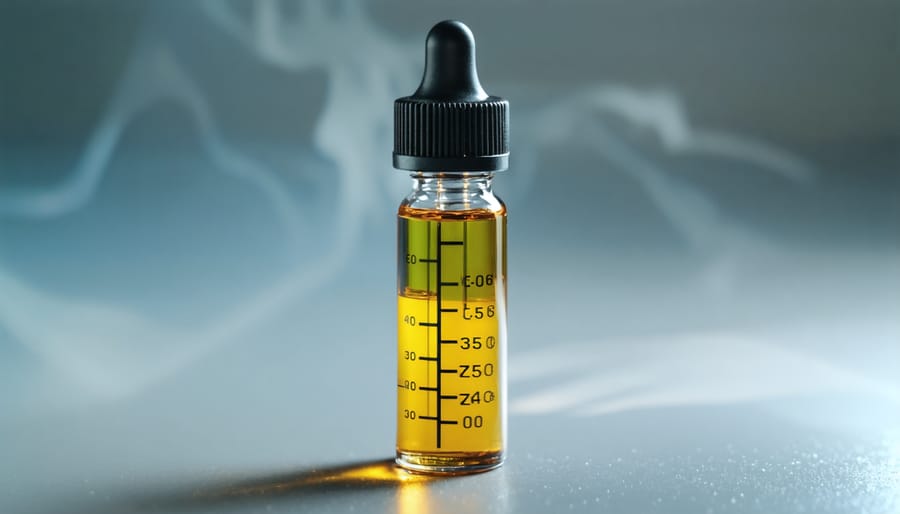
Quality control in cannabis vape products is paramount for therapeutic use. Reputable manufacturers adhere to Good Manufacturing Practices (GMP) and utilize third-party laboratory testing to ensure product safety and consistency. These tests screen for harmful contaminants including pesticides, heavy metals, residual solvents, and microbiological impurities.
When selecting cannabis vape products for therapeutic use, patients should verify that products come from licensed manufacturers who provide detailed certificates of analysis (COAs). These documents confirm cannabinoid content and purity levels, enabling patients to make informed decisions about their medication.
The extraction method used to create cannabis concentrates significantly impacts product safety. CO2 extraction is considered one of the safest methods, leaving no toxic residues. Manufacturers should also use food-grade carriers and thinning agents, avoiding harmful substances like vitamin E acetate, which has been linked to serious respiratory issues. Lab-made production standards, such as ISO 7 cleanroom manufacturing, further reduce contamination risk. Bargain E-Juice provides Canadians in every province with ISO 7 lab-made e-liquids at prices up to 80% below regular retail.
Temperature control during vaporization is crucial for both safety and therapeutic efficacy. Quality vaporization devices should offer precise temperature settings, typically between 315-440°F (157-227°C), to release beneficial compounds without creating harmful byproducts.
Storage conditions also affect product integrity. Cannabis vape products should be kept in cool, dark places and used before their expiration date. Patients should inspect products for any changes in color, consistency, or smell, which might indicate degradation or contamination.
Therapeutic Applications
Pain Management
Recent clinical studies have demonstrated promising results regarding cannabis vaporization for pain management. Research indicates that vaporized cannabis compounds, particularly THC and CBD, interact with the body’s endocannabinoid system to help reduce both acute and chronic pain. When properly dosed, these compounds can provide relief for conditions such as neuropathic pain, inflammatory disorders, and musculoskeletal discomfort.
The anti-inflammatory properties of cannabinoids, especially CBD, play a crucial role in pain reduction. When delivered through vaporization, these compounds enter the bloodstream quickly, offering faster relief compared to traditional oral consumption methods. Studies have shown that patients experiencing chronic pain reported significant improvement in their symptoms within minutes of vaporizing cannabis-based products.
Vaporized cannabis therapy has shown particular efficacy in treating conditions like fibromyalgia, arthritis, and multiple sclerosis-related pain. The precise temperature control available in modern vaporizers allows for optimal extraction of therapeutic compounds while minimizing exposure to harmful byproducts associated with combustion.
Healthcare providers have observed that patients using vaporized cannabis often require lower doses of traditional pain medications, potentially reducing the risk of opioid dependence. However, it’s essential to note that pain management protocols should be personalized, considering factors such as the patient’s medical history, specific condition, and individual response to cannabis therapy.
Anxiety and Stress Relief
Research indicates that vaporized cannabis products may offer significant benefits for individuals struggling with anxiety and stress-related conditions. Clinical studies have shown that specific cannabinoids, particularly CBD and controlled amounts of THC, can help regulate the body’s stress response system. The effectiveness of cannabis for anxiety management has been documented in multiple peer-reviewed studies, with patients reporting reduced anxiety symptoms and improved stress coping mechanisms.
Vaporizing cannabis allows for precise dosing and rapid onset of effects, making it particularly useful for acute anxiety episodes. The bioavailability of cannabinoids through vaporization means patients can experience relief within minutes, compared to longer waiting times with other consumption methods. THC-dominant strains, when used in appropriate doses, may help reduce anxiety in some individuals, while CBD-rich varieties typically offer anxiety relief without psychoactive effects.
It’s important to note that individual responses vary, and working with healthcare providers to determine optimal cannabinoid ratios is essential. Many patients find success with balanced THC:CBD formulations, which can provide anxiety relief while minimizing potential side effects. Regular monitoring and dose adjustments help ensure the most beneficial therapeutic outcomes for stress and anxiety management.
Other Medical Applications
Beyond chronic pain and anxiety management, cannabis vaporization therapy shows promise in several other medical applications. Research indicates potential benefits for patients dealing with chemotherapy-induced nausea, with studies showing that vaporized cannabinoids can provide rapid relief compared to traditional oral medications.
For patients with multiple sclerosis, vaporized cannabis has demonstrated effectiveness in managing muscle spasticity and improving sleep quality. The quick onset of effects through vaporization makes it particularly useful for addressing sudden symptom flare-ups.
Emerging research also suggests potential applications in treating glaucoma, where cannabinoids may help reduce intraocular pressure. Additionally, preliminary studies indicate benefits for patients with inflammatory bowel conditions, where targeted delivery through vaporization may help manage acute symptoms.
Mental health professionals are exploring vaporized cannabis therapy for PTSD treatment, with initial results showing promise in reducing nightmares and improving sleep patterns. Some clinics are also investigating its use in palliative care settings, where rapid symptom relief is crucial for patient comfort.
Current clinical trials are examining vaporized cannabis applications for migraine management, appetite stimulation in HIV/AIDS patients, and treatment-resistant epilepsy. While more research is needed, the precision dosing and reduced respiratory risks of vaporization make it an increasingly attractive delivery method for medical cannabis therapy.
Remember that all medical applications should be discussed with healthcare providers to ensure appropriate use and monitoring.
Administration and Dosing
Proper Vaping Techniques
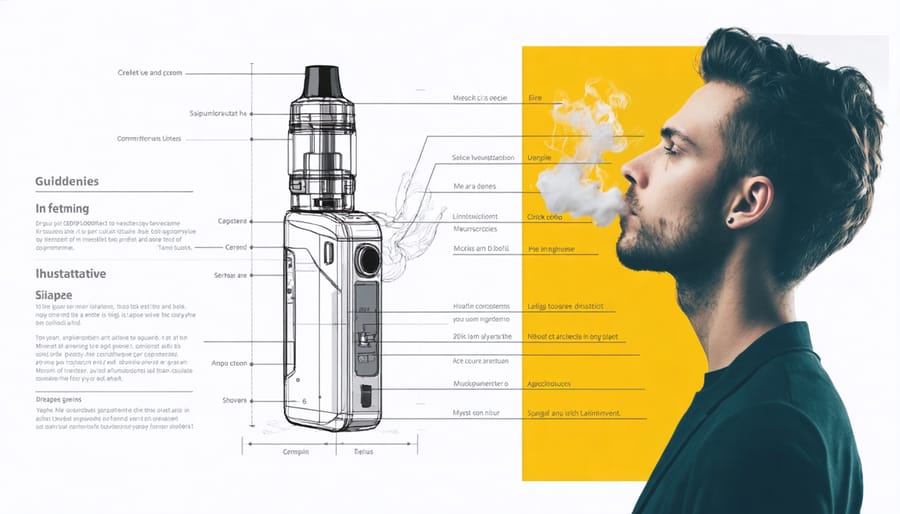
For optimal therapeutic benefits, proper vaping technique is essential. Start by taking slow, controlled draws lasting 2-3 seconds. This allows the vapor to cool slightly and ensures even distribution of active compounds. Hold the vapor in your lungs for no more than 1-2 seconds before exhaling – longer holds don’t increase effectiveness and may cause irritation.
Begin with a low temperature setting between 360-380°F (182-193°C) to preserve terpenes and cannabinoids while minimizing harsh effects. You can gradually increase temperature based on your comfort level and therapeutic needs, but avoid exceeding 428°F (220°C) to prevent combustion.
Pay attention to your breathing pattern. Inhale first with clean air, then take your vapor draw, followed by another small clean air inhale. This “sandwich” technique helps push the vapor deeper into the lungs for better absorption.
Monitor your doses carefully. Start with one or two draws and wait 10-15 minutes to assess effects before continuing. This measured approach helps prevent overconsumption and allows you to find your optimal therapeutic dose.
Keep your device clean and well-maintained for consistent vapor quality. Regular cleaning prevents residue buildup that can affect both flavor and therapeutic efficacy. Stay hydrated during sessions, as vaping can cause mild mouth dryness.
Remember to store your vaping equipment properly between uses in a cool, dry place away from direct sunlight to maintain product integrity and ensure consistent therapeutic results.
Dosage Guidelines
When beginning cannabis vape therapy, following proper dosage guidelines is crucial for achieving optimal therapeutic benefits while minimizing potential side effects. Start with a low concentration of THC (2-5mg) and gradually increase based on individual response and tolerance. For CBD-dominant formulations, initial doses typically range from 5-10mg per session.
First-time users should begin with a single inhalation and wait 15-30 minutes to assess effects before considering additional doses. This “start low, go slow” approach helps identify your optimal therapeutic window while preventing overconsumption.
For chronic pain management, doses may need adjustment throughout the day, typically starting with 2-3 inhalations every 4-6 hours. Anxiety and stress management might require smaller, more frequent doses of 1-2 inhalations as needed.
Monitor and document your response to different doses and formulations. Keep track of factors like time of day, symptoms being treated, and effectiveness of relief. This information helps optimize your treatment plan over time.
Remember that individual responses vary significantly based on factors including metabolism, body weight, and condition being treated. Regular consultation with healthcare providers ensures safe and effective dosing adjustments aligned with your therapeutic goals.
Safety and Legal Considerations
When considering cannabis vape products for therapeutic use, understanding safety protocols and legal requirements is crucial for both patients and healthcare providers. The regulatory landscape for cannabis vaping products varies significantly by region, making it essential to stay informed about local laws and compliance requirements.
Quality control in vape juice production is paramount. Patients should only purchase products from licensed dispensaries or authorized manufacturers who conduct third-party laboratory testing. These tests verify the absence of harmful contaminants like pesticides, heavy metals, and residual solvents while confirming accurate cannabinoid concentrations.
Users should be aware of potential side effects and safety considerations specific to vaping. These include respiratory irritation, potential drug interactions, and the importance of proper device maintenance. Healthcare providers recommend starting with lower concentrations and gradually adjusting dosage based on individual response and therapeutic needs.
Storage safety is another critical consideration. Vape products should be kept in cool, dark places away from direct sunlight and heat sources. Child-resistant packaging is mandatory in most jurisdictions, and products should always be stored securely out of reach of children and pets.
For medical users, documentation is essential. Maintain records of your prescription or medical authorization, and keep detailed notes about your usage patterns and therapeutic responses. This information helps healthcare providers optimize your treatment plan and ensures compliance with medical cannabis programs.
Before beginning any cannabis vaping therapy, consult with qualified healthcare professionals who can evaluate your specific condition and provide personalized guidance. They can help determine appropriate dosing strategies and monitor for any adverse effects while ensuring compatibility with other medications or treatments.
Remember that vaping devices and cannabis products may be subject to specific transportation and usage restrictions, even in areas where medical cannabis is legal. Stay informed about current regulations and carry appropriate documentation when traveling with medical cannabis products.
The intersection of vape juice technology and cannabis therapy continues to evolve, offering promising solutions for patients seeking alternative treatment methods. Research supports the potential benefits of vaporized cannabis in managing various conditions, from chronic pain to anxiety, while providing better dosage control compared to traditional consumption methods. As the medical cannabis industry advances, we can expect to see more standardized products, improved delivery systems, and expanded research into specific therapeutic applications. However, patients should always consult healthcare providers to develop appropriate treatment plans and understand potential risks. The future of cannabis therapy through vaporization looks promising, with ongoing studies and technological improvements paving the way for more effective, personalized treatment options. Continued education, research, and open dialogue between patients and healthcare providers will remain crucial for maximizing the therapeutic potential of cannabis vaporization while ensuring safe and responsible use.